
Garmin has patented long-term blood glucose tracking; here’s how it’d work
What you need to know
- Garmin filed a patent in May called “Pressure compensation for wrist-based pulse spectrometry” to track users’ “glycated hemoglobin level” via smartwatch.
- A Garmin watch would track your HbAlc, or amount of glucose attached to blood cells across a long period, non-invasively.
- The patent mentions other trackable “blood content” like COHb, MHb, SHb, O2Hb, and others using the optical PPG sensor.
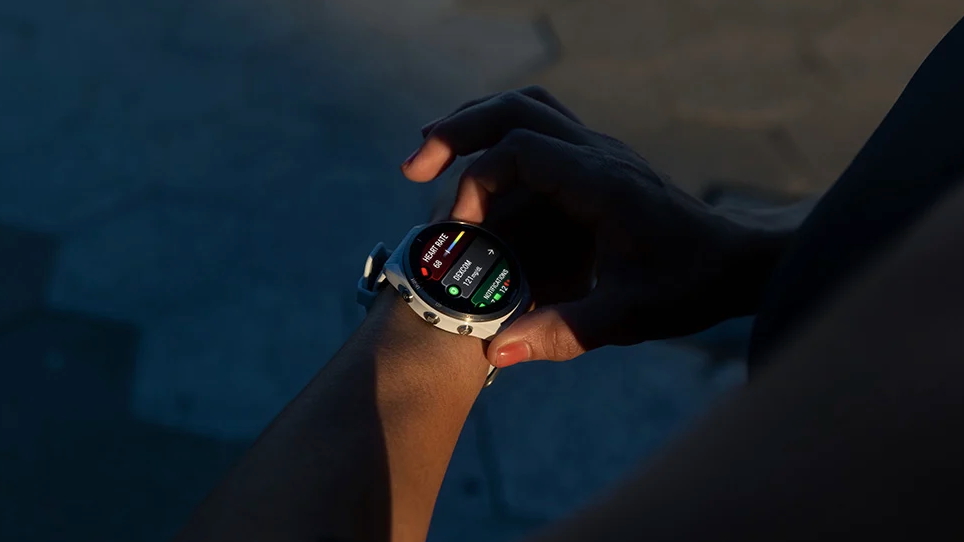
- Garmin watches can currently display continuous data from Dexcom blood glucose monitors.
Smartwatch brands are racing to be the first to offer non-invasive blood glucose monitoring. Now Garmin has thrown its hat in the ring with a U.S. patent for tracking your glycated hemoglobin (HbA1c) levels.
You can use the U.S. patent search to find patent number “20250134464,” which outlines how Garmin could use its watches’ photoplethysmogram (PPG) signals — commonly used for heart rate and blood oxygen — to determine a “user’s glycated hemoglobin (HbA1c) level.”
As the patent explains, HbA1c checks the volume percentage of your blood’s hemoglobin proteins that are “glycated,” or bound or coated with glucose. Because glucose stays attached to red blood cells for their four-month lifespan, HbA1c “provides a long-term indication of the average blood glucose level…and is typically not impacted substantially by a single meal or activity.”

“Determining and monitoring HbA1c levels can help with the management of glucose and insulin,” the patent continues, as diabetics want to maintain their blood levels below 7%. And lowering it below 5% “is believed to improve and maintain an individual’s overall health.”
Since, currently, people must draw blood to test levels, it’s easy for people to be unaware of their growing HbA1c levels, or to avoid frequent testing because of the discomfort. That’s why this “would be of great benefit to users of a wrist-worn device,” to have this data available painlessly and continuously, the patent suggests.
This patented tool wouldn’t replace the spot-check blood tests diabetics use on a daily basis. For that, Garmin partnered with Dexcom so you can continuously see your mg/dl of glucose from an attached Dexcom patch on your Garmin watch.
Instead, this seems more like a preventative tool that would warn prediabetics of bad glucose trends and encourage better fitness and nutritional habits to bring down your HbA1c gradually over weeks and months.

What’s the hold-up on seeing this feature in Garmin watches now? The patent warns that “conventional electronic fitness devices” will struggle to provide accurate data in this area. Pressure from a tight band can compress your blood vessels, and the size of your ligaments and bones will also skew the results.
So the watch’s processor will need to determine a “pressure metric value” to compensate for these effects and provide accurate results. Garmin’s patent outlines how it will attempt to pull this off, but it’ll need FDA levels of accuracy before we’d ever see this HbA1c tracking feature in a consumer Garmin watch.
Samsung execs have openly shared plans to put blood glucose tracking in a Galaxy Watch, while Apple is “many years away” from glucose tracking despite several patents on the subject. We’ve even seen a smart ring promise non-invasive blood glucose data soon. It’s no surprise, in other words, that Garmin would try to keep up with its rivals.
Interestingly, the patent also suggests its pulse spectrometry method could determine other chemical levels like SHb and MHb, signaling rare blood disorders where iron or sulfur binds with hemoglobin and interferes with your blood oxygen levels. And it would determine levels of oxygenated and deoxygenated blood, which could help catch other medical conditions.

Many patents never see the light of day in consumer products. In this case, no smartwatch brand has offered blood glucose monitoring yet because of the inherent challenges of delivering accurate results.
So anyone concerned about their blood glucose levels shouldn’t go out and buy a Garmin watch just yet. It’s likely that Garmin would only offer this feature in brand-new models with a smarter processor and revamped sensors for better results, such as the successor to the expensive Garmin Fenix 8.
Still, we’re happy to see Garmin attempt to tackle this problem, with HbA1c data that’ll provide early warning to prediabetics that things are getting worse or to diabetics that their efforts at getting healthy are working.
This patent was first spotted by Gadgets & Wearables.



Post Comment